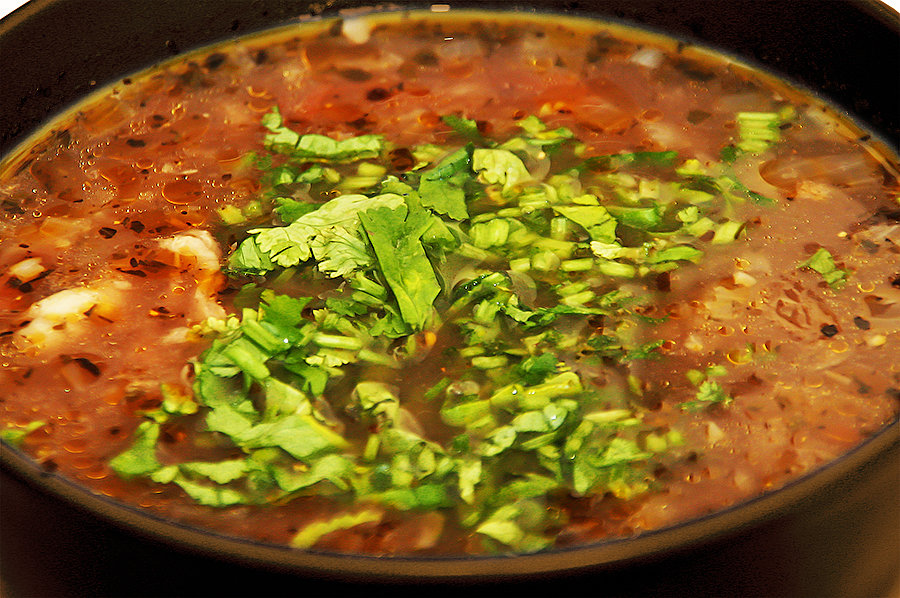
Dila mshvidobisa!
Georgian cuisine. When you pronounce this phrase, a bunch of associations arise in your brain. Here you have a fresh mountain wind and the coolness of the valleys, from where you can hear the bleating of sheep and the murmur of a mountain stream. And the noise of a real Georgian feast cannot be confused with anything else — with colorful toasts, mesmerizing songs, healthy food and wonderful wine.
In general, we decided to cook kharcho. There were quite a lot of recipes for this masterpiece on the Internet, but the biggest shock was that it turns out that kharcho is not made from lamb. The name of this dish in Georgian is “dzrokhis khortsi kharshot”, which translates as “beef soup”. And all our lives in Soviet public catering we were fed a certain “mutton kharcho”, which, as Pokhlebkin’s culinary dictionary says:
“…blatant culinary illiteracy and, most importantly, a distortion of the idea of the national Georgian dish. »
Real kharcho consists of three essential ingredients: beef brisket (less commonly shank), walnuts and tklapi.
Tklapi — dried fruit, an indispensable component of a number of dishes of Georgian and other Transcaucasian cuisines (in Russian it can also be called: levishnik, lavashnik, sour marshmallow). Tklapi is prepared from cherry plums or tkemali by rubbing ripe fruits through a hair (or any non-metallic) sieve. The resulting mass (without the skin) is applied in a layer less than 1 cm thick onto special planks made of deciduous trees, lubricated with vegetable oil, which are exposed to the sun to dry. If the layer of cherry plum paste becomes very thin after drying, then the mass is applied on top of it again. The dried, but still elastic tklapi is removed in the form of a sheet from the board and dried a little more in air on the back side until completely dry, a sign of which is the uniform darkening of the color of the tklapi on both sides and the disappearance of its smear. The thickness of the finished tklapi is more than 3 mm. Store rolled into a tube and wrapped in clean, rare canvas in a dry, ventilated area. Tklapi easily breaks off from a whole sheet. Dosed in square centimeters or “pieces”. For example: “add a piece of tklapi the size of half a palm.” Culinary Dictionary V.V. Pokhlebkina, 2002
Since we couldn’t find tklapi, and I’m allergic to walnuts, we decided to replace the first one with tkemali sauce (this is permissible), and avoid nuts altogether (this is not permissible, but there’s nothing you can do about it). Looking ahead, I will say that I have never eaten such delicious kharcho in my life)).
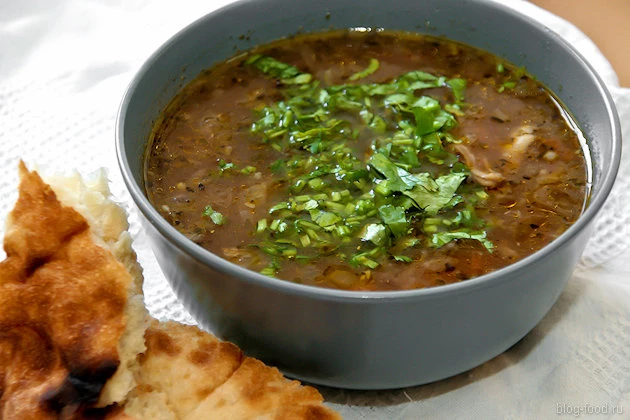
So, the grocery set:
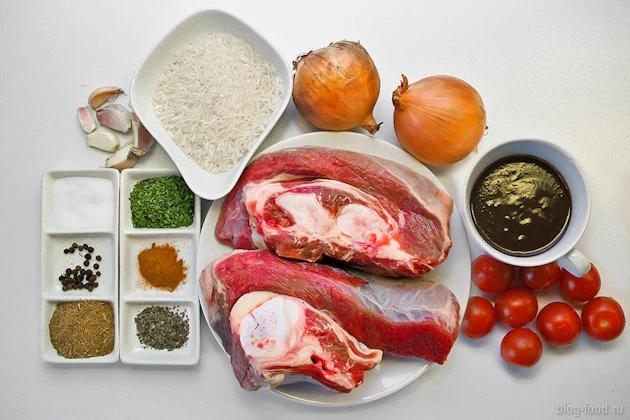
- Beef brisket, 1.5 kg
- Rice, 200 gr.
- Tomatoes, 200 gr.
- Onion, 2 pcs.
- Tkemali, 100 gr.
- Garlic, 5-6 cloves
- Khmeli-suneli, 2 tbsp. l.
- Parsley, 1 tbsp. l.
- Basil, 1 tbsp. l.
- Peppercorns, 0.5 tsp.
- Chili pepper, 0.5 tsp.
- A bunch of cilantro behind the scenes
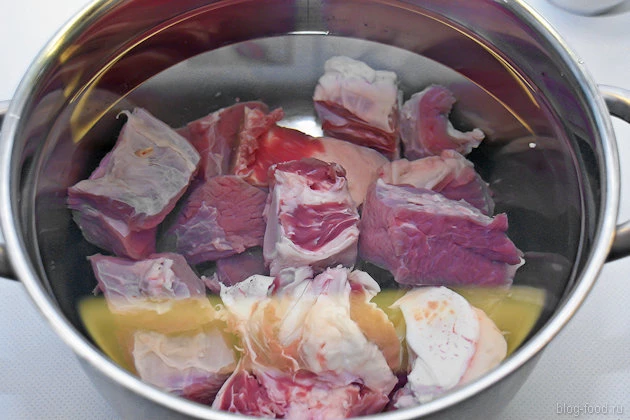
First, cut the meat, fill it with three liters of cold water, add salt to taste and put it on the fire, bring it to a boil, remove the noise, and cook for two hours.
Half an hour before the end, you can add a little bay leaf and black pepper:
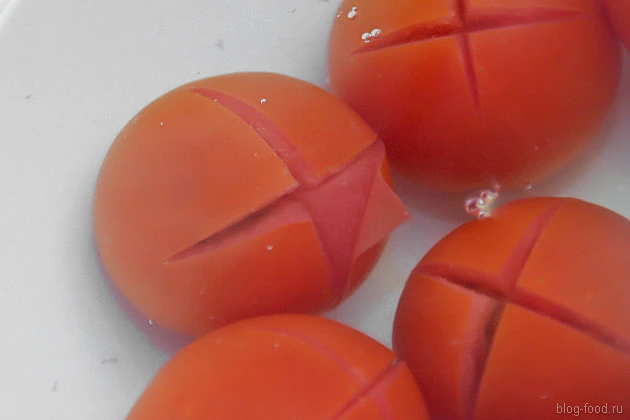
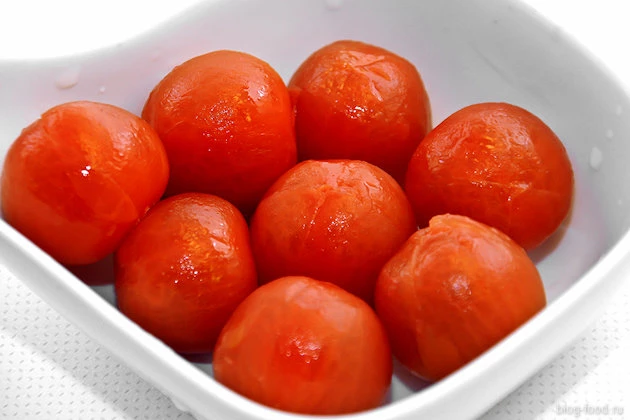
At this time, remove the skin from the tomatoes, for which we cut it crosswise and pour boiling water over it. After a couple of minutes, the skin will begin to peel off on its own:
After which it will be very easy to remove:
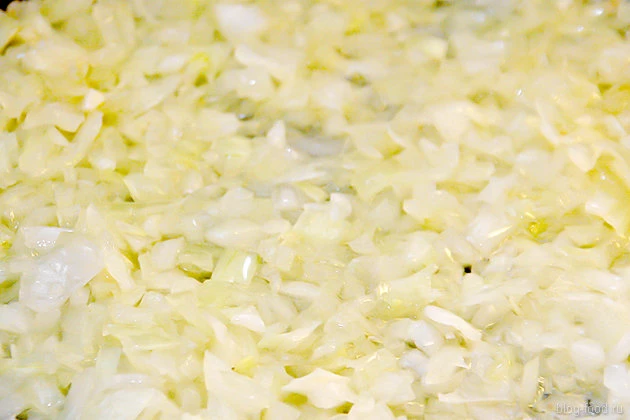
Cut and sauté the onion:
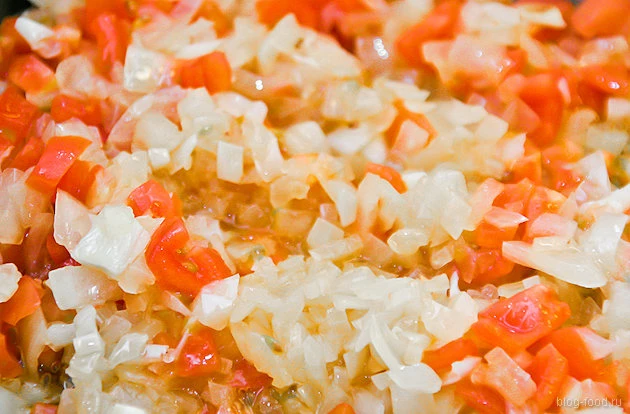
Cut the peeled tomatoes and add to the onion:
We wash the rice and peel the garlic. Everything is ready, wait until the meat is cooked:
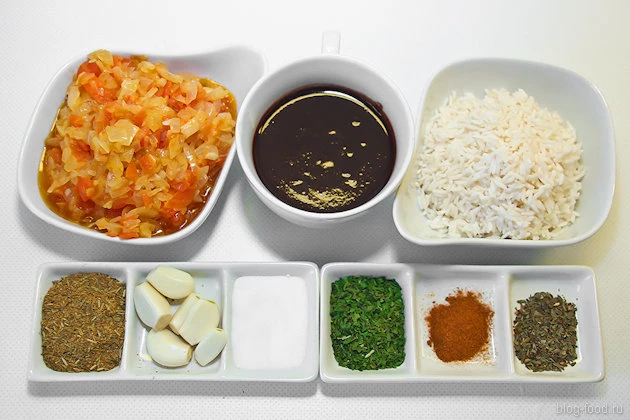
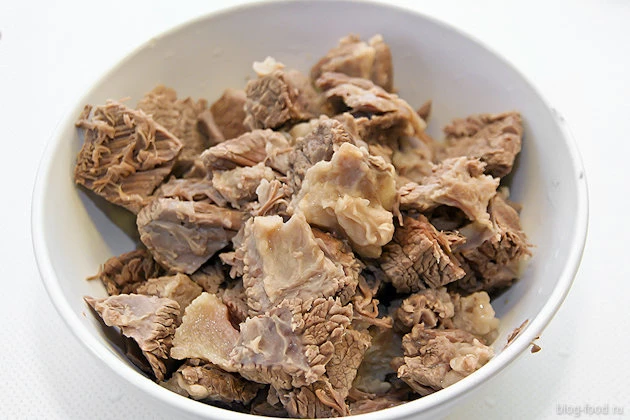
The broth is cooked. We take out the meat and cut it smaller:
Pour rice into the broth and cook for about 15 minutes, after which we return the meat, throw in onions and tomatoes, all the spices (we crush the garlic) and tkemali:
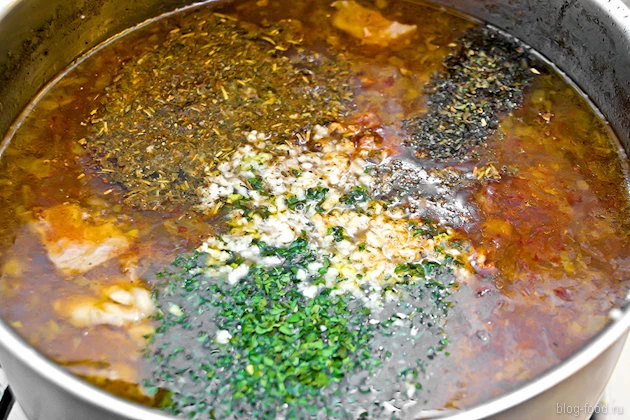
Cook for 10 minutes, turn off the heat and let our kharcho brew for 5-10 minutes.
Pour into bowls, add chopped cilantro and enjoy:
Bon appetit!
